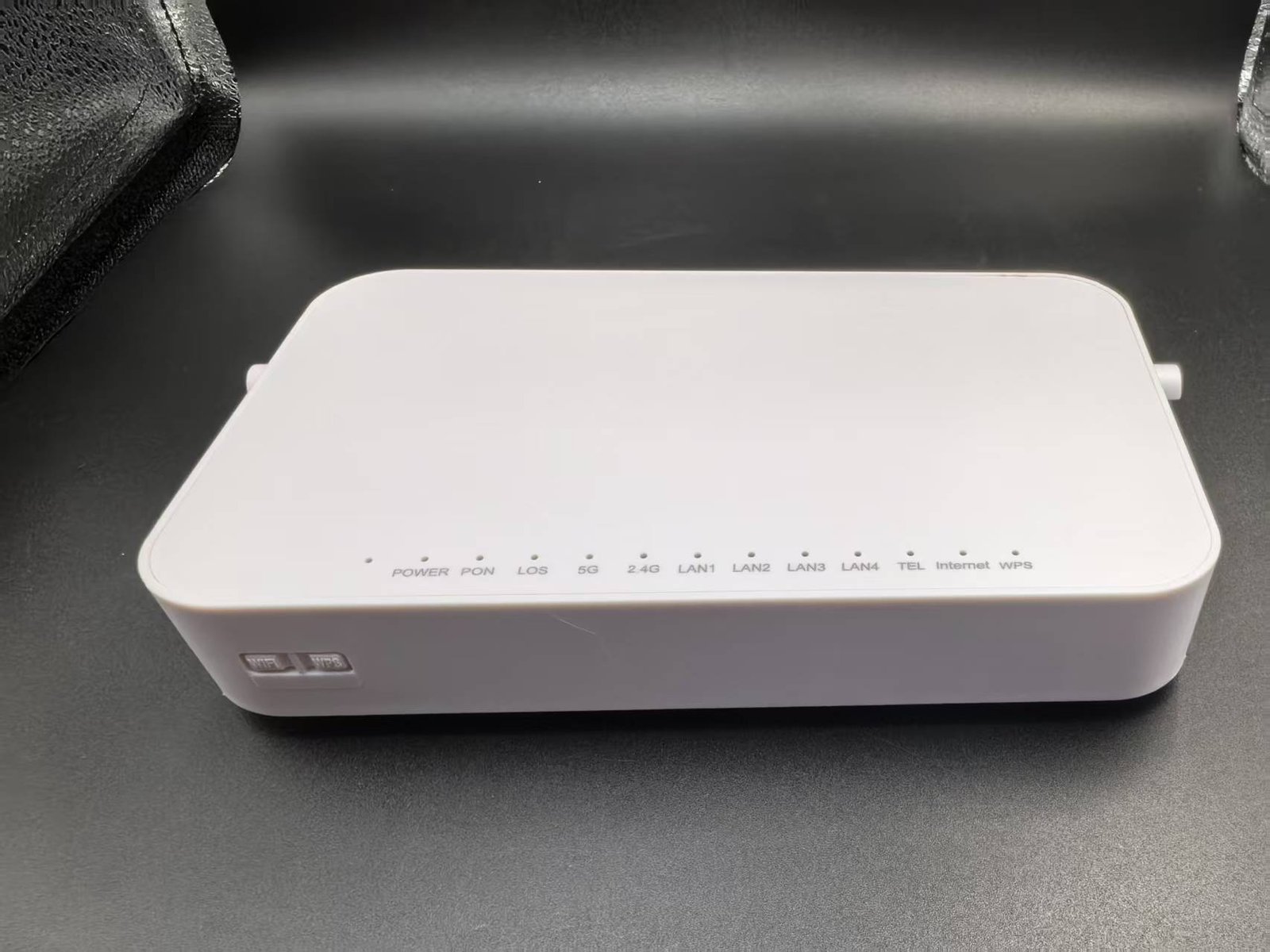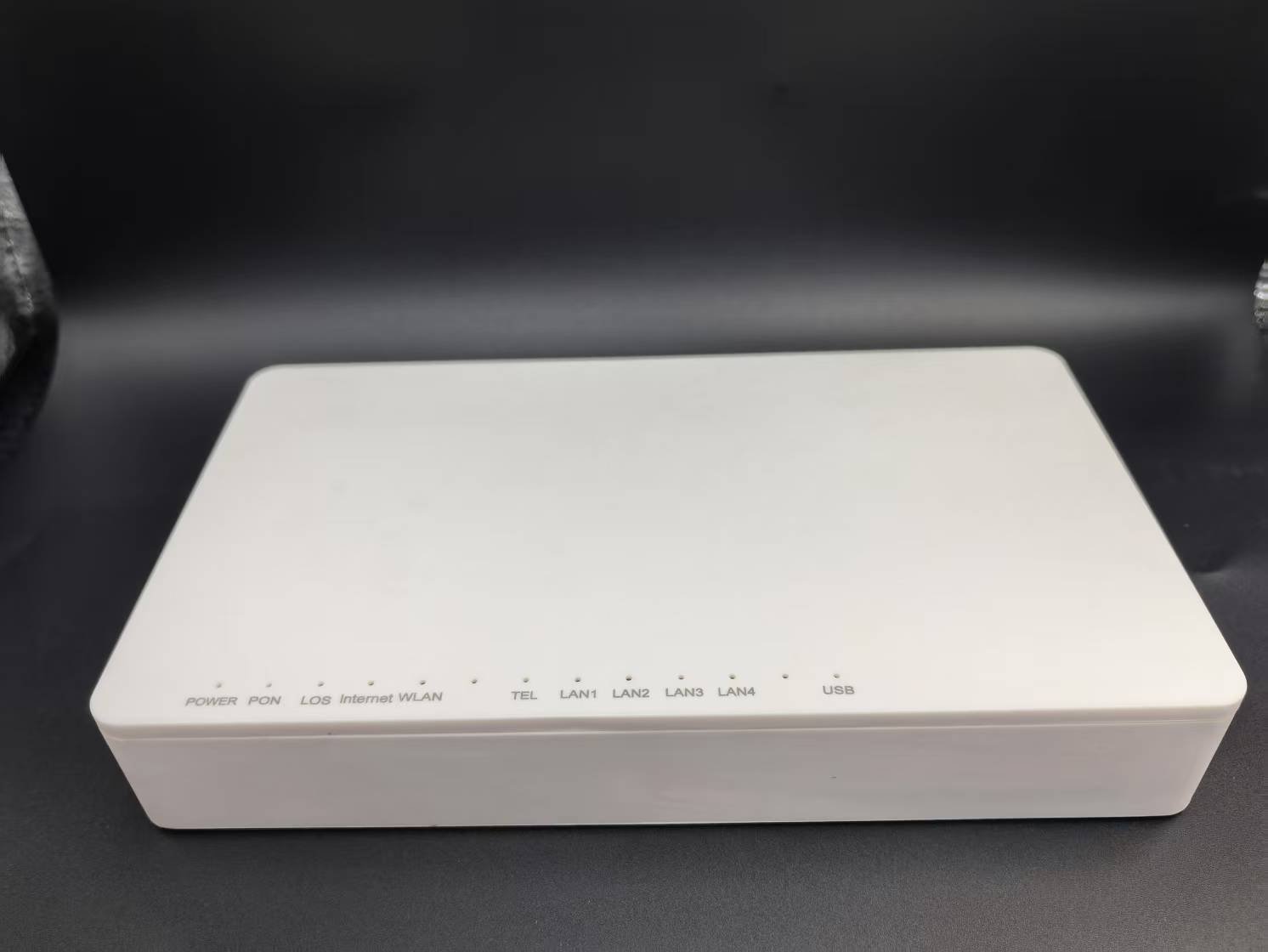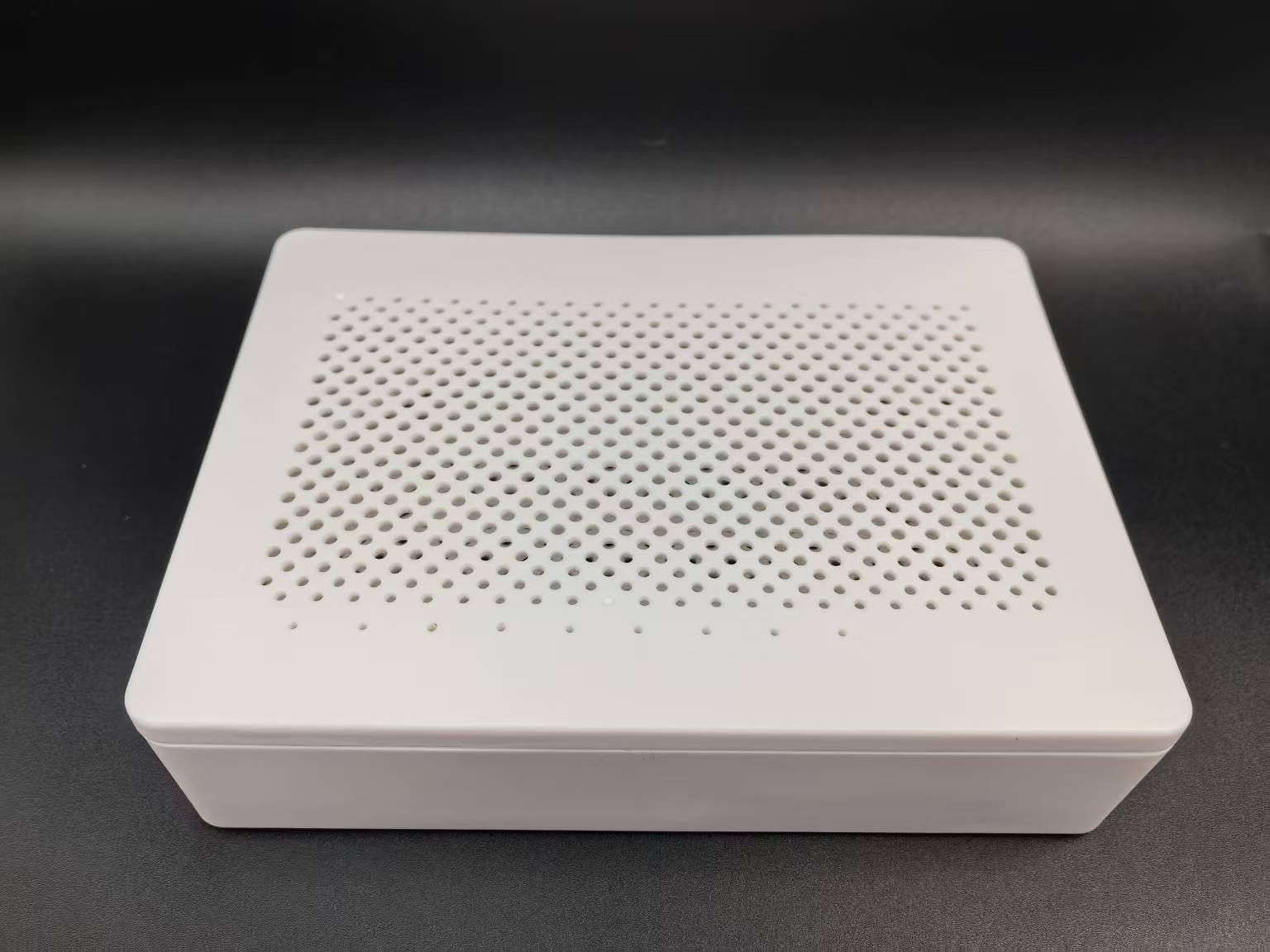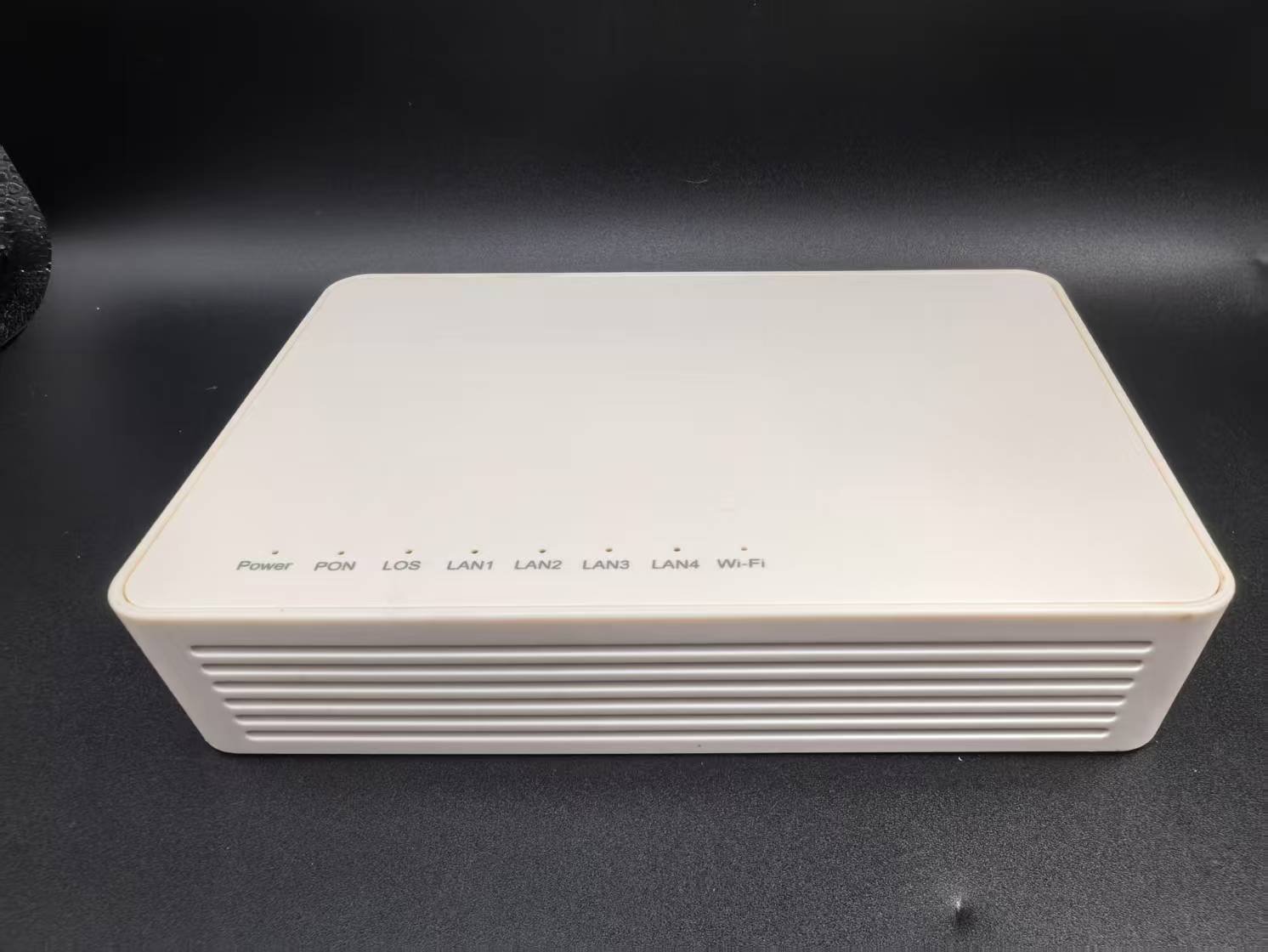

Overcoming terrain coverage bottlenecks
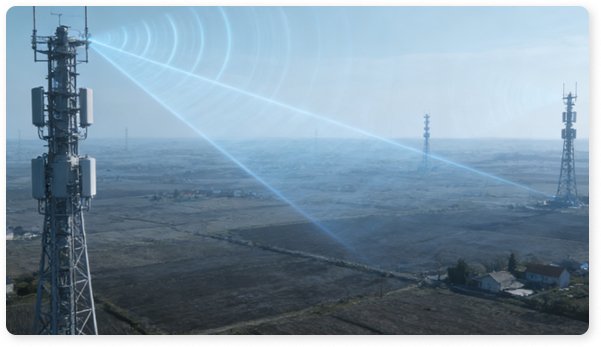
Relying on Qianzida high-gain antennas (coverage radius in- creased by 50%) and fixed-mobile integration technology, quickly covering traditional blind spots such as mountains and islands, achieving full-area coverage without dead zones.

Strong environmental durability
Customised protective casing (IP65 or above) paired with indus- trial-grade optical modems can withstand harsh conditions such as high temperatures, salt spray, heavy rain, and strong winds, reducing equipment failure rates by over 40%.

Significant cost reduction
Qianzida's full-chain product integration reduces equipment compatibility costs; streamlining cabling and remote operation and maintenance design greatly lowers initial construction and subsequent maintenance costs.

Stable and reliable operation
Dual-link redundant backup and anti-interference antenna design effectively mitigate the impact of terrain and environ- ment on signals, maintaining a network connection rate of over 99.9%.

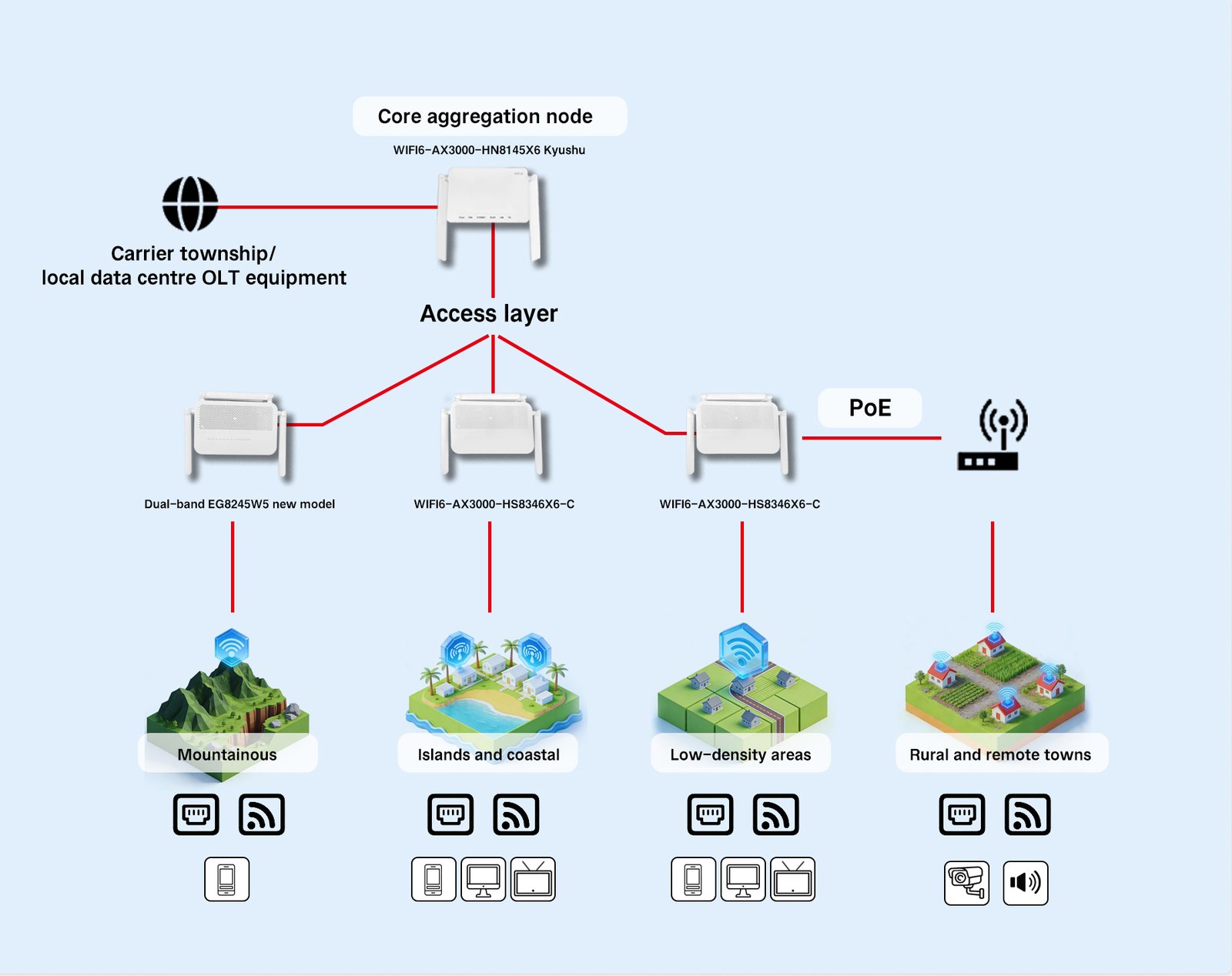
Mountainous and topographically com- plex areas
Deploy along ridges and high points of villages to extend signal coverage, achieve full coverage for dispersed users and support remote operations to reduce travel on mountain roads.

Islands and coastal communities
Using both fixed and mobile dual-mode backup to avoid fibre link damage from ty- phoons and ensure network continuity.
Low-density wide-area coverage zone
A single unit covers 5-8 scattered users, and relies on a unified management platform to achieve remote operation and maintenance, significantly reducing coverage and maintenance costs.